
Table of Contents
- Begin with story, not prompts
- Build a world bible
- Design a character system
- Create controlled image references
- Move from still images to motion
- Add voice, music and sound
- Maintain continuity across media
- Assemble and review the sequence
- Develop original intellectual property responsibly
- Frequently asked questions
Begin with story, not prompts
Define the premise, audience, central conflict and emotional experience before choosing tools. A short paragraph should explain who the story follows, what they want, what prevents them from getting it and why the outcome matters.
Prompting without this foundation often produces disconnected images. The source articles describe this as the problem of fragmented AI creation: each output may look impressive, but characters, locations, scale, mood and narrative purpose change from one generation to the next.
Build a world bible
A world bible records the rules that keep the setting coherent. Include geography, time period, climate, architecture, technology, social structures, colour language, materials, lighting and recurring symbols. Note what does not exist in the world as carefully as what does.
Create a visual reference board and a short written description for every major location. If a city uses curved stone, warm evening light and limited machinery, those rules should guide every scene. Consistency is easier when decisions are made once and reused.
Design a character system
Start with role, motivation, fear, strengths, flaws and relationship to the world. Then define visible characteristics: silhouette, body proportions, face, hair or fur, costume, accessories, palette and movement style.
Create a character sheet with front, side and three-quarter views, close facial details, key expressions and several poses. Add a written “do not change” list. A memorable accessory or silhouette can help recognition, but it should support the character rather than replace personality.
Create controlled image references
Generate reference images before full scenes. Use one approved design as the anchor for subsequent work. Keep stable language for identity features while changing only pose, shot, action or environment.
Useful outputs include expression sheets, pose sheets, scale comparisons and location plates. Track the model, settings, reference image and prompt version used for each approved result. Random iteration without records makes continuity difficult to reproduce.
Composition and cinematography matter. Decide shot size, camera angle, lens feeling, depth, lighting direction and colour contrast. The supplied AI Cinematography brochure emphasises framing, camera movement, lighting, pacing and narrative rhythm because these choices create meaning beyond surface style.
Move from still images to motion
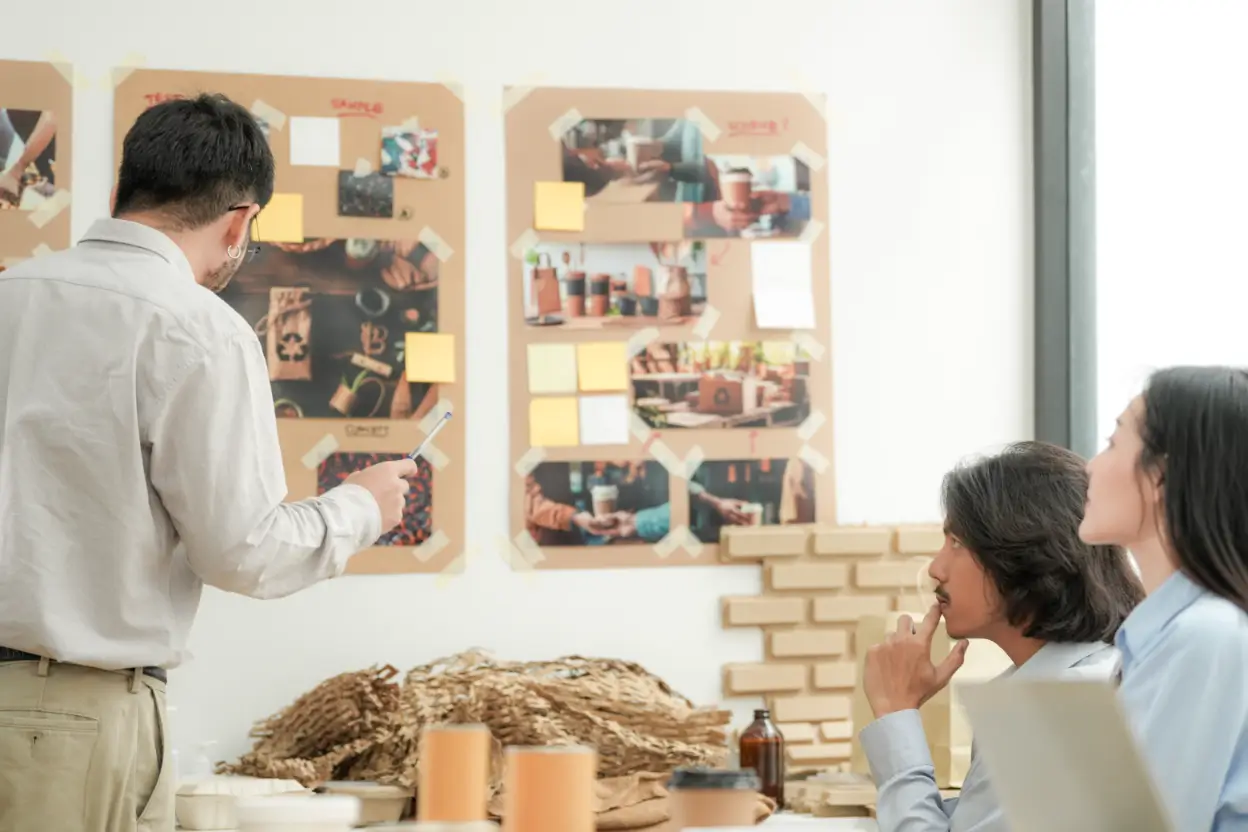
Break the story into shots. Define the start frame, end frame, subject action, camera movement and duration for each one. Small controlled actions are usually more dependable than asking a model to invent an entire complex scene.
Test continuity between shots. Screen direction, costume, lighting, environment and character scale should remain stable. Generate alternative takes only after the shot objective is clear.
Add voice, music and sound
Sound gives the world texture. Build a voice profile for each speaking character, including pace, energy, accent direction and emotional range. Confirm that any voice is used with permission and that generated content follows relevant platform and legal requirements.
Create layers for dialogue, atmosphere, sound effects and music. A quiet mechanical hum, distant crowd or recurring musical motif can make a world feel consistent even when the image changes.

Maintain continuity across media
Use a continuity checklist for every asset:
- Is the character identity stable?
- Do costume, props and scale match the story point?
- Does the location follow the world bible?
- Is lighting consistent with time and mood?
- Does movement connect logically with the previous shot?
- Are voice and sound aligned with the character and environment?
The original worldbuilding article also highlights narrative systems and intellectual property. Repeated locations, visual rules, character relationships and motifs turn isolated assets into a world that can support several stories.
Assemble and review the sequence
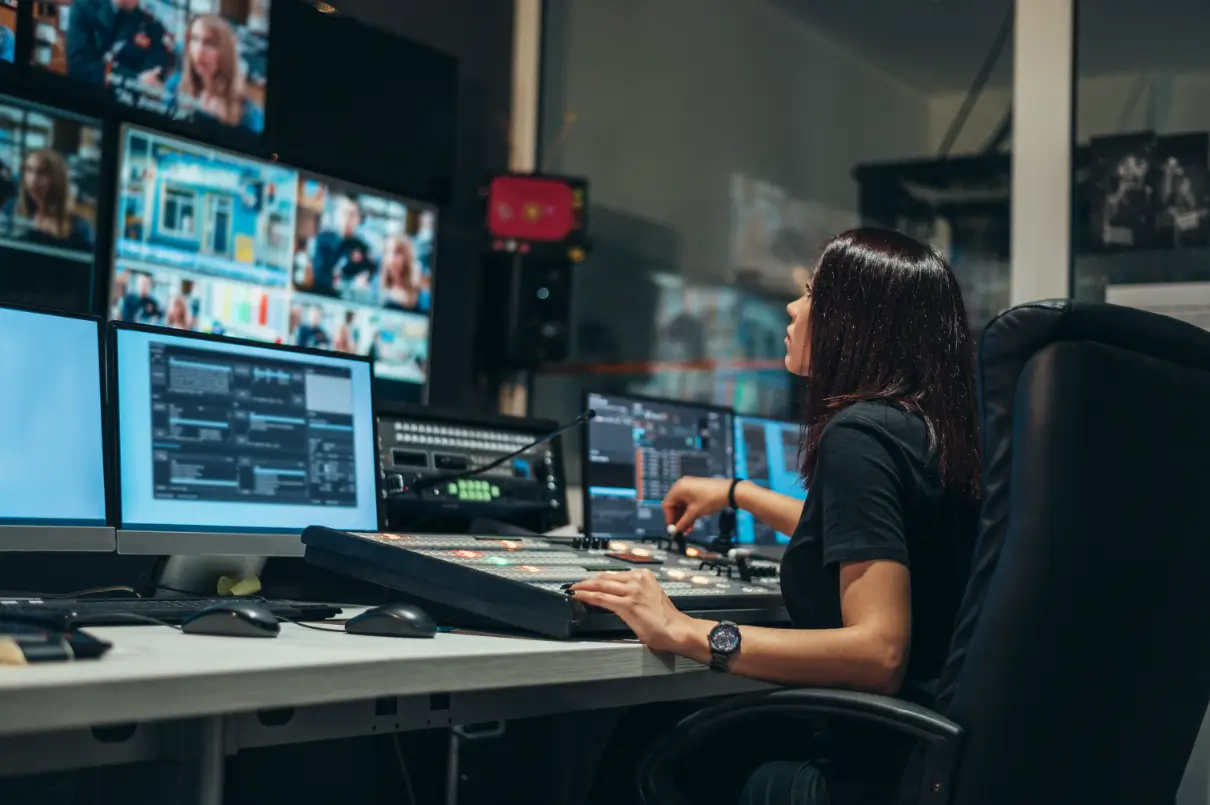
Edit a rough cut early. A sequence that works as individual frames may fail when timed. Review pace, clarity, emotional progression and the relationship between image and sound. Remove attractive shots that do not advance the story.
Invite feedback with specific questions. Can the viewer identify the protagonist? Is the goal clear? Does the world feel consistent? Which moment loses attention? Specific feedback leads to better revision than asking whether the film is “good.”
Develop original intellectual property responsibly
Research references broadly and avoid asking a model to imitate a living artist or protected franchise. Keep records of original concepts, source material, generated assets and human edits. Check commercial-use terms for every platform and obtain permissions for likeness, voice, music and third-party material.
Innova’s two-month AI Cinematography and Storytelling Mastercourse is designed around image, video and audio generation combined with filmmaking principles. The brochure describes guided workshops, production exercises, creative labs and capstone work focused on connected scenes, characters, moods and story worlds.
Frequently Asked Questions
Why do AI characters change between shots?
Models introduce variation. Strong reference sheets, consistent identity descriptions, controlled changes and continuity review reduce drift.
Which tool should I use first?
Begin with the story and design system. Tool choice should follow the output needed, such as character reference, animation, voice or editing.
Can prompting alone create a cinematic film?
Prompting is one production skill. Story structure, direction, composition, motion, sound, editing and continuity create the finished experience.
What should a worldbuilding portfolio include?
Include the concept, world bible, character sheets, visual development, shot plan, continuity process and a finished sequence.
For learners comparing an AI filmmaking course in Dubai, AI cinematography training in Dubai or an AI storytelling course in Dubai, this workflow provides a practical foundation for developing consistent visual narratives before moving into a structured programme.
Ready to move beyond isolated AI images? Explore Innova’s AI Cinematography and Storytelling Mastercourse and build a complete, consistent story world.